
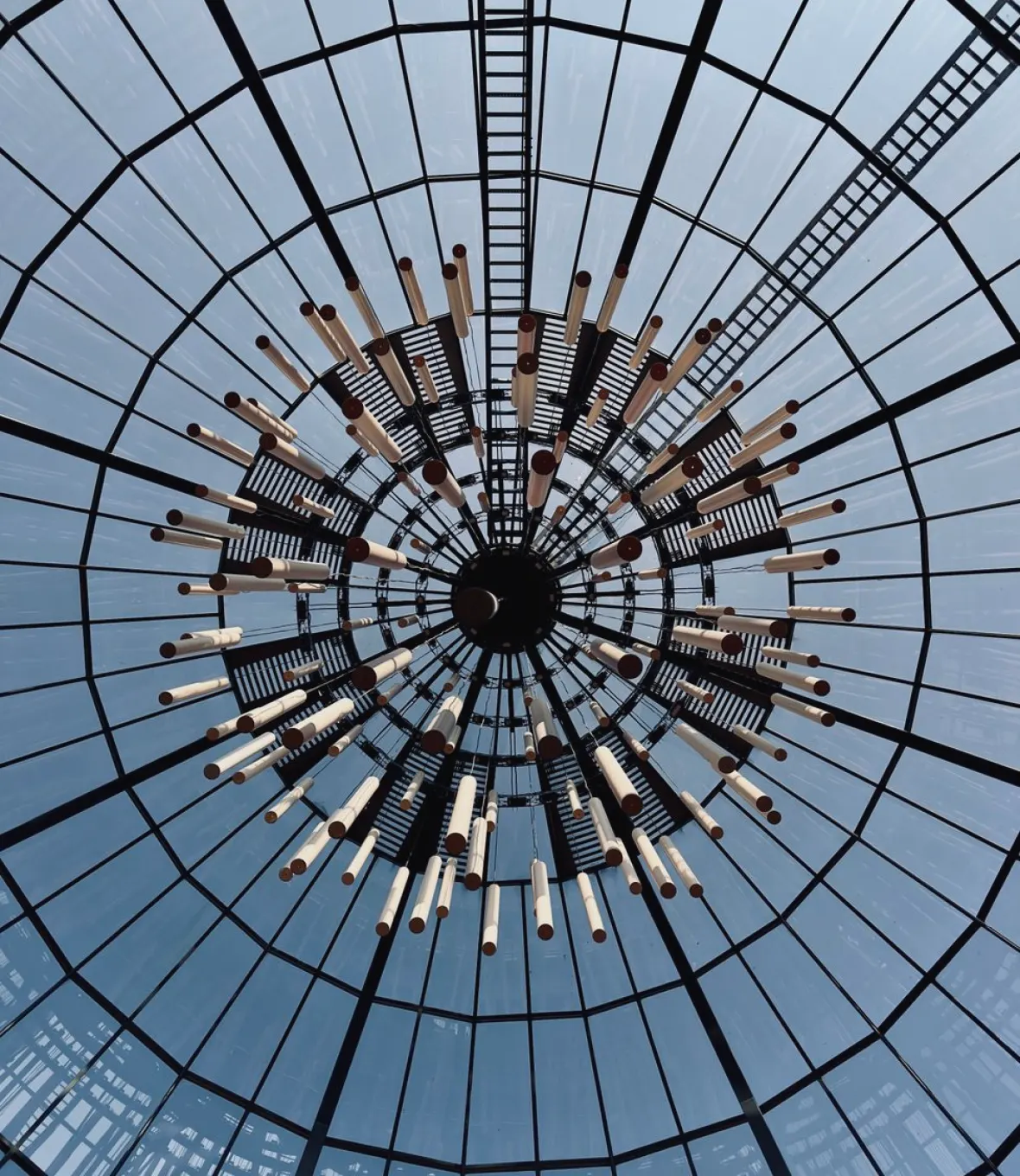
Three documents, one lit set
Every lit studio rests on three documents that have to agree with each other: the lighting plot, the rig schedule and the cue list. The plot is the drawing that shows where each fixture hangs and what it points at. The rig schedule says who hangs it, in what order and by when. The cue list says what each fixture does during the programme. When one of the three changes and the others do not, the floor finds out at the worst moment.
I write the software that keeps them linked, so I see how often they drift apart in ordinary production weeks. A fixture moved on the plot but left on the old schedule line is the classic case. The crew follows the schedule, the designer follows the plot, and the gap only appears when the set is already half dressed. Our approach is to treat the three as one record viewed in three ways.
What the plot has to carry
A useful plot is more than a pretty drawing. Each fixture needs a unit number, a type, a position on the bar or grid, a channel and a note on what it lights. On a news set that might be the key light on the presenter desk, a backlight for the weather wall or a wash for the guest sofa. On an entertainment show it includes colour, gobo and focus notes that a technician can act on without ringing the designer.
We keep the plot as structured data rather than a flat image, so the same unit number appears in the rig schedule and the cue list without anyone retyping it. If a unit is swapped for a different type because of a maintenance fault, the change is recorded once and every document that mentions it shows the new fixture. That single source is the method we rely on most.
- Unit number, type and position for every fixture
- Channel and dimmer assignment
- A plain note on what each unit lights
- Colour, gobo and focus details where the show needs them
Building the rig schedule around real hours
The rig schedule turns the plot into labour. It lists which fixtures go up first, which need access equipment, and how long each group takes with the crew available. We encourage studio managers to work backwards from the first rehearsal or bulletin, because that is the fixed point. A news set that must be lit by early evening for a late programme needs a different order of work from a show rigged over two days.
Good schedules also leave room for what goes wrong. Cables run short, a clamp is missing, a bar is already carrying another show's load. We build short buffers into each block of work and mark the dependencies, so that a delay in hanging the back wall does not silently push focusing past the point where the floor is needed for camera rehearsal.
Cue lists that the floor can actually use
A cue list is read under pressure, often in a dim gallery, so it must be short in wording and exact in numbering. Each cue names the look, the fixtures involved and the trigger: a line in the script, a camera cut, a timecode or a producer's call. For daily news we usually keep a small set of repeatable looks, such as opening, two-shot, standing report and close, and reuse them across bulletins.
Live entertainment needs more cues and more rehearsal, but the principle holds. Name each look by what the audience sees, not by a number alone, so the vision mixer and the lighting operator share a vocabulary. When a cue is changed during rehearsal, the revision is stamped and the old version kept, so nobody follows last night's list by mistake.
- Name each look by what appears on screen
- State the trigger for every cue
- Keep revisions stamped and the previous version available
Keeping changes visible between plot and floor
Most lighting trouble comes from changes that were made but not passed on. A director asks for a warmer wash on the guest area, the designer agrees, and the operator never hears. We handle this by showing each change as a short dated note against the affected fixture, visible to everyone who works from that plot, and by marking the plot as changed since the last rehearsal.
The technique is deliberately plain. We do not ask crews to learn a new way of working; we ask them to record changes in the place where the plot already lives. During these darker autumn weeks, when evening programmes begin with the studio already in low natural light, the lighting looks matter more on screen, and a clear change record saves rehearsal minutes that nobody has to spare.
Starting from a template rather than a blank page
New clients often ask where to begin. Our advice is to start from a planning template that matches the type of programme: a single-desk news set, a two-presenter magazine, a studio audience show. Tom Ashworth helps clients adapt these templates to their own studio, adjusting bar positions, dimmer counts and standard looks so the first plot already reflects the room.
From there the work is incremental. Add the real fixtures, link the schedule to the crew roster, write the first cue list from the script. After two or three programmes the template carries your habits, and each new plot takes a fraction of the effort. The aim is not clever software but a calm, repeatable routine that the whole floor trusts.
A plot, a rig schedule and a cue list only work when they describe the same set. Keeping them as one linked record, with changes noted where everyone can see them, removes most of the small surprises that cost rehearsal time. The method is modest: structured data, short plain cues, buffers in the schedule and a template that grows with your studio. If you would like to see how it fits your own rig, write to us through the contact page.